Have you ever stood in front of a beautifully curated gift basket—the kind filled with artisanal jams, single-origin coffees, and expensive cheeses—and felt that familiar knot of pressure? You know it looks expensive. It looks thoughtful. But deep down, there’s this nagging question: Is it actually personal?
When we approach gifting, especially for milestone occasions like Father's Day or birthdays, the stakes feel incredibly high. We want to appear wildly thoughtful—the kind of gift that says, "I know you so well." And when a hamper is involved, it’s easy to fall into the trap of buying more stuff. You think: buy fancier olive oil, add another expensive chocolate bar, and suddenly, you've nailed it.
But here’s the secret that professional gift curators—and thoughtful family members alike—know: true personalization has nothing to do with the dollar amount; it has everything to do with the observation. A deeply personal hamper isn't a collection of goods; it's a physical story about the person you are celebrating.
If you’ve ever felt that gift-giving anxiety, wondering how to justify the gourmet price point while ensuring your gesture actually connects, this guide is for you. We’re peeling back the layers of luxury packaging to find out what makes these baskets feel genuinely heartfelt.

The Myth of Luxury: Why "Gourmet" Isn't Always "Personal"
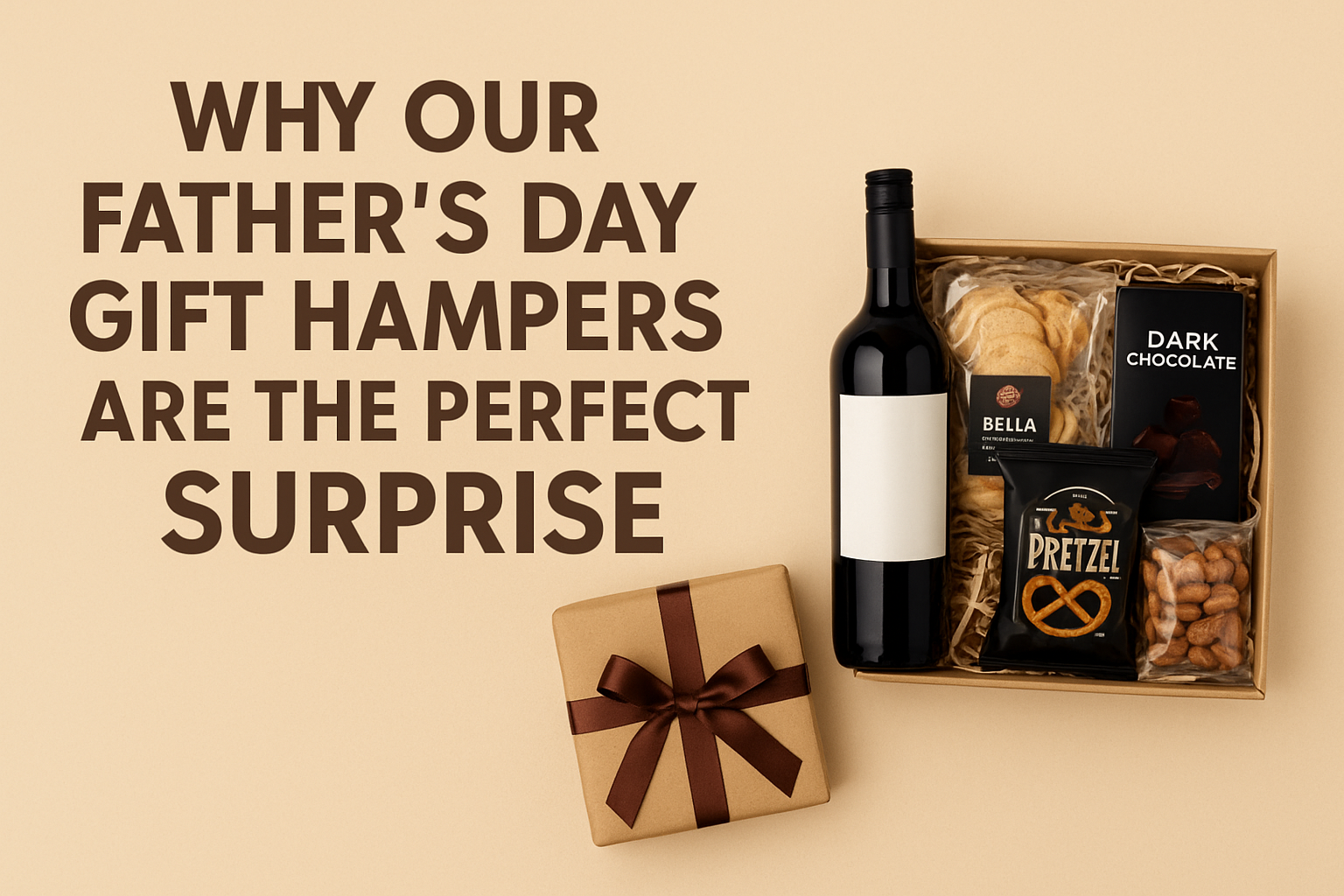
The first Luxury Food Hamper thing we need to debunk is that high-end ingredients automatically equal emotional connection. A hamper can be filled with items sourced from every corner of the globe, yet still feel generic—like a beautiful magazine ad. It’s a lovely display, but it lacks a thread.
Think of an item like a perfect bottle of aged balsamic vinegar. To make it personal, you shouldn't just include it because "it's gourmet." You need to connect it back to something specific about the recipient. Did he mention last month that his favorite Italian restaurant used a particular type of glaze? Does he always complain about how bland standard salad dressings are?
The shift in mindset needs to be this: Stop curating for the type of gift, and start curating for the person.
Curating a Narrative, Not Just Contents
A deeply personal hamper works like an opening scene in a favorite novel. It doesn't just list characters (the items); it establishes a mood, setting, and expectation. This is achieved by building a cohesive theme or "narrative arc."
Instead of assembling random luxury items—a soap, some tea, crackers, and jam—try grouping things that tell a micro-story about how the recipient spends their time.
Consider these narrative approaches:
- The Weekend Escape: If he loves reading by a fireplace, pair a specific blend of smoky Scottish whisky (the mood setter) with a gourmet chocolate designed for pairing and an unusual bookend or literary item. The Perfect Morning Ritual: This isn't just about coffee. It’s about the experience. Include that special roasted bean he always talks about, paired with a custom-designed biscotti meant only for dipping, and perhaps a small, handwritten note suggesting the perfect time to enjoy it (e.g., "On quiet Saturday mornings,"). The Hobby Deep Dive: If he spends his downtime gardening, don't just buy fancy tools. Instead, create a kit that elevates his current hobby: premium seed packets from an unusual region, specialized gloves, and maybe even a small bottle of fragrant oil for the garden path.
This structural thinking—building around an activity or emotion rather than a product category—is what gives the hamper its soul.
The Power of Shared Memory: Items with Emotional Resonance
If there is one thing that elevates a basket from "nice gift" to "I know him better than he knows himself," it’s connecting items back to shared history, inside jokes, or deeply ingrained routines. This requires deep listening—the kind you do over a long dinner conversation.
When was the last time he mentioned something in passing? Maybe he sighed and said, "Man, I wish I could just spend an afternoon doing nothing but tinkering." That casual comment is gold. It tells you his deepest desire right now: unstructured peace.
Instead of buying a generic relaxation candle (which says, "Relax"), create a hamper that speaks to the activity of relaxing. Pair high-quality tools for tinkering with a specific type of snack or drink he enjoyed during those moments.
I once knew a friend whose father had always complained about his inability to find time to actually spend quality time on his vintage record player. For his birthday, I didn't buy him more records. Instead, we curated a hamper that included a beautiful cleaning kit for the stylus, a pair of specialty listening headphones (that matched the aesthetic of his setup), and a note referencing "the sound of Saturday afternoons." It wasn’t about the rarity of the items; it was about acknowledging a specific, cherished ritual.
This speaks to the power of the subtle nod. It's that feeling when someone looks at you and says, "You remember that?"—and suddenly, the gift feels priceless.
The Finishing Touch: Complementing the Self
Sometimes, the most personal elements are the ones that aren't in the hamper but accompany it. Think of these items as the final punctuation marks.
A beautiful quote often encapsulates this perfectly: "The best gifts are those that make you feel understood."
If your hamper is built around a theme—say, sophisticated comfort—don't forget to pair it with something intangible yet tangible. This could be:
- The accompanying playlist: A curated Spotify list titled "For Rainy Sunday Evenings," which he can listen to while enjoying the contents of the basket. A physical bookmark or note card: One that contains a handwritten memory or an inside joke only you two share, placed right on top of the arrangement. The 'Next Step' suggestion: A small recipe card suggesting how to use three specific items together (e.g., "Pair the goat cheese with this fig jam and serve on crusty bread for a perfect lunch"). This transforms the gift from an object into an experience guide.
Ultimately, when you are assembling something beautiful, remember that your role is not merely that of a purchaser; it's that of an architect of memories. The goal isn't just to impress with luxury—it’s to communicate depth through careful observation. When the recipient unwraps the hamper and thinks, "Wow, how did she/he know I loved this?"—you will have succeeded.
Pro Tip for Gift Anxiety: If you feel overwhelmed by choosing every single element, pick one central memory or routine you share with him. Build everything else around that core moment. It instantly grounds the entire gift in genuine affection.