Gift hampers are the culinary equivalent of a warm hug—packed with goodies that promise delight. Yet, if the packaging is off, that hug can turn into a soggy, stale disappointment. In this article, we’ll dive into the science and art of managing gift hamper packaging to prevent spoilage, offering clear steps, expert tips, and a dash of humor to keep you engaged.
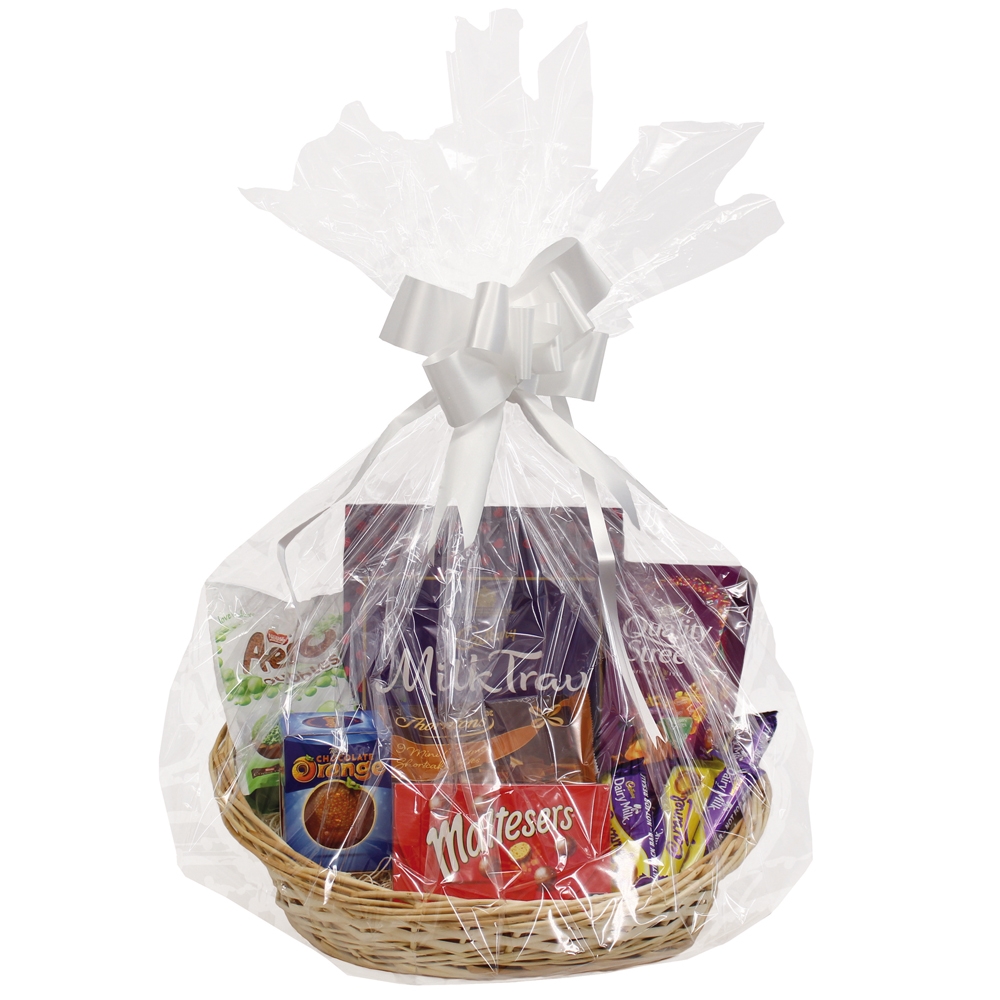

Ever wondered why that chocolate bar turns into a sad, soggy mess the moment you open a hamper? Spoilage isn’t just a culinary faux‑pas; it’s a brand‑damaging nightmare. By treating packaging like a fortress of freshness, you can ensure every item arrives as vibrant as the day it left the kitchen.
Why Spoilage Happens in Gift Hampers
Common Culprits
- Moisture: Even a tiny droplet can make crisp crackers wilt. Temperature fluctuations: Heat waves during transit can melt chocolate or cause cheese to spoil. Air exposure: Oxygen can oxidize nuts, turning them bitter. Improper sealing: Gaps let in contaminants and moisture.
The Impact on Your Brand
A single spoiled hamper can ripple through social media, turning a potential fan into a vocal critic. In the age of instant reviews, the cost of a single mishap can outweigh the savings of cutting corners on packaging.
Key Principles of Spoilage‑Free Packaging
Choose the Right Materials
Selecting the correct barrier materials is like picking the right armor for your hamper’s contents. Look for:
- High‑density polyethylene (HDPE) for moisture‑resistant bags. Aluminum foil liners to block light and oxygen. Food‑grade wax paper for delicate pastries.
Control the Environment
Think of your hamper as a tiny greenhouse that needs constant care:
- Temperature‑controlled storage before shipping. Humidity‑absorbing packets inside the hamper to keep moisture at bay. Ventilated compartments for items that need airflow, such as smoked meats.
Seal the Deal
A well‑sealed hamper is a well‑guarded treasure chest. Use:
- Heat‑seal machines for airtight closures. Reusable silicone seals for items that may need to be opened and re‑sealed. Tamper‑evident tape to assure recipients of freshness.
Step‑by‑Step Packaging Process
Pre‑Packing Preparation
Cleanliness first: Ensure all packing surfaces are sanitized. Check item integrity: Inspect each product for defects. Pre‑cool sensitive items: Place cheese and chocolate in a refrigerated environment for at least 30 minutes before packing. li17li17/li18li18/li19li19/li20li20/li21li21/li22li22/li23li23/li24li24/li25li25/li26li26/li27li27/li28li28/li29li29/li30li30/##Result? The next shipment arrived with the chocolate still crisp, earning the client a glowing review and a repeat order.
> “The best gifts are those that keep on giving.” – Anonymous
This anecdote underscores the importance of viewing packaging not just as a wrapper but as a guardian of quality.
Keeping Your Hamper Fresh for Every Occasion
By treating each step—material selection, environmental control, sealing, and transportation—as a dedicated defense line, you can master the art of managing gift hamper packaging to prevent spoilage. Remember, a well‑packaged hamper isn’t just a gift; it’s a promise of taste, care, and professionalism.
So, the next time you assemble a hamper, ask yourself: Is this the fortress of freshness my products deserve? If the answer is yes, you’re on the path to gifting that’s as delightful to open as it is to taste.
Ready to elevate your packaging game? Start with a simple audit of your current materials, experiment with moisture‑absorbing layers, and watch your spoilage rates drop. Your customers—and your brand—will thank you.